Home automation is no longer just a hobby for tech enthusiasts or a luxury for showing off. Rising electricity rates, the growing adoption of Electric Vehicles (EVs), and the need for reliable home security have turned smart home technology into a practical part of modern home infrastructure.
But adding high-tech devices without upgrading the electrical foundation behind them can create problems. As a permit professional who has coordinated hundreds of electrical and life safety permits across South Florida, I’ve seen firsthand what happens when homes add high-demand devices without the right electrical foundation in place: overloaded panels, damaged equipment, and avoidable safety issues that could have been caught earlier in the process.
If you want to upgrade your home, optimize your power use, and protect your investment, these are three smart electrical upgrades worth considering.
1. Smart energy monitoring at the main panel
Adding an EV charger, installing solar panels, or increasing HVAC capacity can change the electrical demand on your home very quickly. Before your panel becomes overloaded or you are forced into a costly service upgrade, smart load management can help you stay ahead of the problem.
Panel-based energy monitoring systems let you see which circuits are using the most power in real time. They can also help you identify peak demand, reduce waste, and better understand how your home is using electricity. That makes it easier to keep your system efficient and better aligned with local electrical requirements.
2. Smarter security with AI detection
Home security has improved a lot in recent years. Traditional cameras often trigger on pets, shadows, tree movement, or other harmless activity, which can make alerts less useful over time.
Modern AI-powered cameras are designed to distinguish human movement from common false triggers. That helps reduce unnecessary notifications and makes it easier to monitor your property more effectively. In a well-planned home security setup, these cameras can be part of a dedicated circuit with backup power so they stay functional when you need them most.
3. Whole-house surge protection
This is one of the most overlooked upgrades in many homes. People spend thousands on smart appliances, home theaters, and automation systems, but leave them exposed to power spikes at the outlet level.
A surge caused by a lightning strike, utility fluctuation, or switching event can damage sensitive electronics in seconds. Whole-house surge protection adds an important layer of defense at the main panel, helping protect connected devices before the surge reaches your outlets.
Recommended products
If you are starting to upgrade your home infrastructure, these are three products worth reviewing:
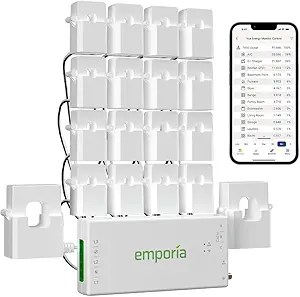
Emporia Smart Home Energy Monitor
A panel-based energy monitoring system that shows real-time electricity usage through a mobile app. It helps identify high-use circuits and better understand how your home consumes power.
Legal Disclosure: As an Amazon Associate, I earn from qualifying purchases.
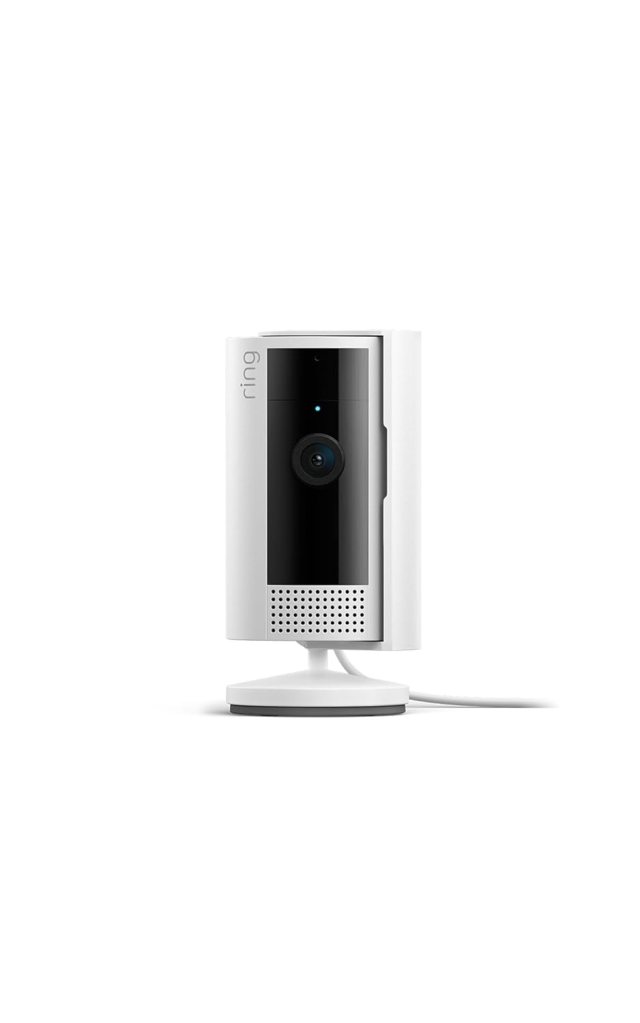
Ring Indoor Cam (2nd Gen) | AI Smart Security Camera
To maintain an advanced security perimeter completely free of annoying false alarms, this compact camera utilizes advanced artificial intelligence and motion zoning to track people and distinguish human movement from pets or background objects. It features crisp HD video, color night vision, two-way audio, and a manual privacy shield that integrates smoothly into your smart home ecosystem.
Legal Disclosure: As an Amazon Associate, I earn from qualifying purchases.
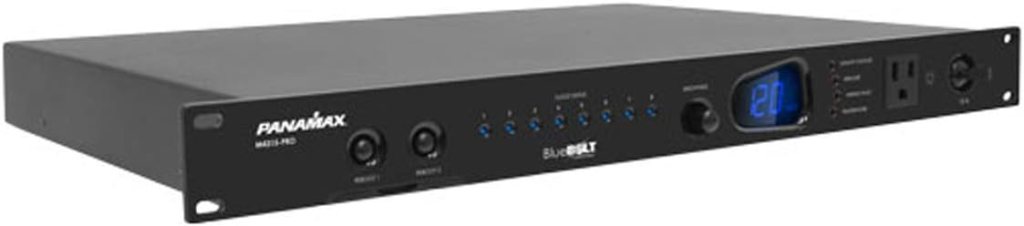
Panamax M4315-Pro Power Manager
A power-management and protection unit designed to help shield valuable electronics from voltage spikes and power noise. It is a strong option for protecting high-end home tech.
Legal Disclosure: As an Amazon Associate, I earn from qualifying purchases.
⚠️ Disclaimer: This article is published for informational and educational purposes only and does not constitute legal, professional, or technical advice. The information may not reflect recent changes in laws, codes, regulations, or local practices, and may vary by jurisdiction. We do not guarantee that the content is complete, accurate, or up to date. Before starting any project, verify current requirements with your local building department and, where applicable, consult a qualified professional
Plan your upgrade carefully
A smart home is not just about buying devices. It is about making sure the electrical system behind those devices can safely support them. Before starting any upgrade, check local code requirements, plan the electrical work correctly, and make sure the installation matches the needs of your property.
Related guides
If you are planning a renovation and want to navigate permits with more confidence, my book How to Get a Construction Permit in Florida gives you a step-by-step framework to help you move through the process more efficiently.
Support my work! 🏠
I hope this guide helps you with your home project! Since I am a member of the Amazon Influencer Program and the author of this book, I want to be transparent: If you use the link above to buy my guide, I may receive a small commission at no extra cost to you. This helps me continue creating free content for our Florida community. Thank you for your support!
Legal Disclosure: As an Amazon Associate, I earn from qualifying purchases.

