If you are planning a home renovation in Florida, you are probably watching every dollar in your budget. But there is a hidden cost that can wipe out your savings fast: mistakes in the permit process.
A lot of people think permits are just one more piece of paperwork. In reality, a permit mistake can delay your project, trigger fines, force you to fix completed work, or create problems when you try to sell or refinance your home.
Here is how to protect your budget by avoiding the three permit mistakes that cost homeowners the most money.
1. Thinking “That doesn’t need a permit”
Many homeowners — and unfortunately some contractors — assume that if a project is small or interior, the city does not need to know about it.
The problem is that building departments do catch these cases. If they discover work without a permit, they can issue a stop-work order and require the project to be brought into compliance before it continues.
How to save: do not guess. Always check with your local building department before starting any work, even if it seems minor.
Cómo ahorrar: No adivines. Una llamada de cinco minutos al departamento de construcción antes de empezar te puede ahorrar una multa de cinco cifras.
2. Confusing “Approved” with “Issued”
This is one of the most expensive mistakes in terms of time and stress.
Seeing “Approved” in the city portal does not mean you are clear to start. It usually means the plans were reviewed and accepted, but the permit is not active until it shows as Issued and all final fees are paid.
If you start early, you may technically be working without a valid permit. That can lead to fines, delays, and work stoppages right when you are already paying for labor and materials.
How to save: always wait until the permit has been officially issued before starting work.
3. Leaving permits open after the job is done
Another common mistake is assuming that once the work is finished and the contractor is paid, everything is closed out.
But if the final inspection was never approved, the permit is still open. And an open permit can become a serious issue later, especially when you try to sell or refinance your home.
At that point, it may show up in a records search and force you to hire someone to review the old work, pay overdue fees, or resolve items you thought were already finished.
How to save: do not make the final payment until the permit shows a passed final inspection and is fully closed.
Protect your renovation
Permitting in Florida can be confusing, but it does not have to cost you unnecessary money. If you understand these three points — get the right permit, wait until it is issued, and close it properly at the end — you are already ahead of most homeowners.
⚠️ Disclaimer: This article is published for informational and educational purposes only and does not constitute legal, professional, or technical advice. The information may not reflect recent changes in laws, codes, regulations, or local practices, and may vary by jurisdiction. We do not guarantee that the content is complete, accurate, or up to date. Before starting any project, verify current requirements with your local building department and, where applicable, consult a qualified professional
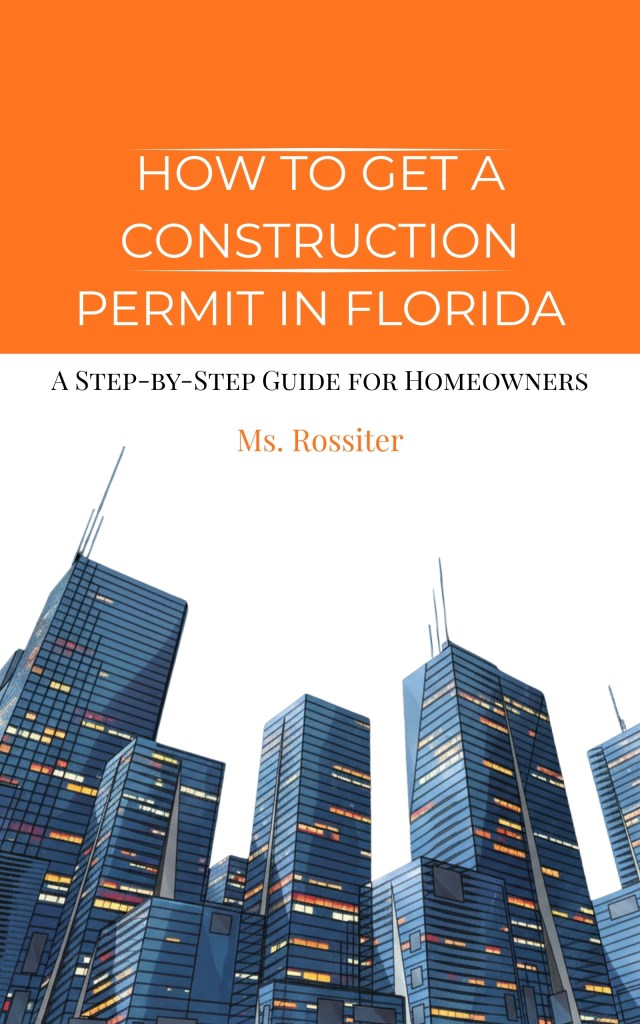
👉 In my book, How to Get a Construction Permit in Florida, I walk you through the permit process step by step so your renovation stays on track without expensive mistakes..




 NextPermit
Leave a comment