⚠️ Disclaimer: This article is for informational and educational purposes only and does not constitute legal, professional, engineering, construction, or code-compliance advice. Permit requirements, timelines, fees, procedures, interpretations, and enforcement practices vary by jurisdiction and may change without notice. Always verify current requirements with your local building department and, when appropriate, consult a licensed contractor, architect, engineer, attorney, or other qualified professional before starting any project.
Most Florida homeowners don’t think about permits until something goes wrong. A storm claim gets denied. A sale falls through. An inspector shows up and asks for paperwork that doesn’t exist.
By then, the conversation gets expensive fast.
The projects on this list don’t look dangerous. They don’t look complicated. Most of them feel like routine home maintenance. But in Florida, they regularly require a permit, and finding out after the fact is where the real trouble begins.
This list comes directly from Chapter 3 of my book, “How to Get a Construction Permit in Florida.” These are the 10 projects that catch homeowners off guard most often. Not because the rules are unreasonable, but because nobody explained them beforehand.
Before we start: one thing worth understanding
Florida has more than 389 separate permitting jurisdictions. That means the rules for the same project can be completely different depending on whether you are in the city, the unincorporated county, or a municipality with its own building department. What your neighbor did without a permit in one city may be a violation two miles away. The only way to know for certain is to check with your specific local building department before any work begins.
Everything in this article reflects general permit requirements based on the Florida Building Code and common practices across Florida jurisdictions. Requirements change. Always verify with your local authority before starting any project.
1. Replacing a water heater
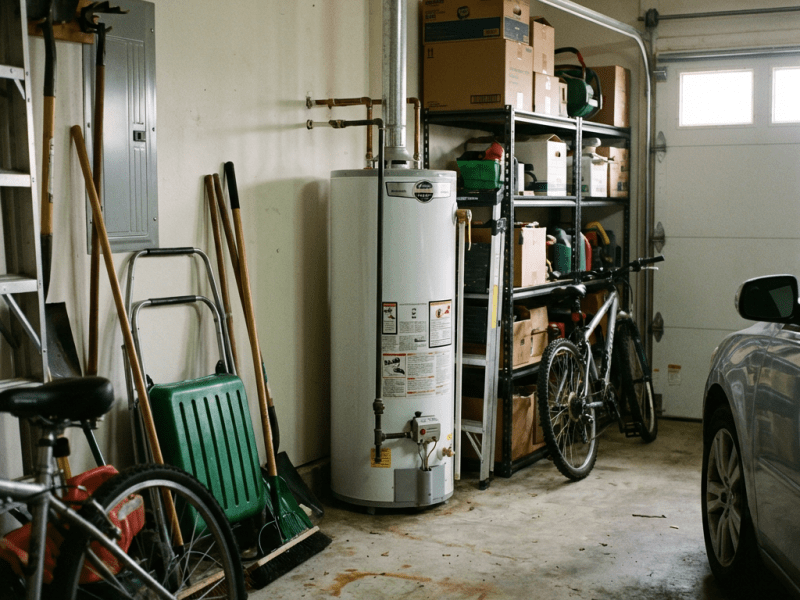
This is the project that surprises people the most consistently. Even a straight swap for the exact same unit usually requires a permit. The reason is not the tank itself. It is everything connected to it: gas or electrical connections, the pressure relief valve, and proper venting, all of which need to be inspected.
In most Florida cities and counties, a water heater replacement falls under plumbing permits, and the inspection is what confirms the installation was done safely. Skipping it does not just risk a fine. In counties like Miami-Dade and Broward, an unpermitted water heater installation can be used by your insurer to deny a claim if a related incident occurs.
Some jurisdictions do have exemptions for certain electric water heaters under specific conditions. But the exemption rules vary by city, not just by county. Check your local building department before assuming yours qualifies.
Curious to learn more? This post will help.
Do I Need a Permit to Replace My Water Heater in Florida? (2026 Guide)
Most homeowners think replacing a water heater is a simple DIY. In Florida it’s a regulated job that can void your insurance. Step-by-step guide + exact process for 2026.

2. Installing a new A/C unit
Mechanical work is regulated in Florida. Replacing or upgrading your air conditioning system almost always requires a mechanical permit, even if you are swapping one unit for another of the same size. This applies whether the work is done by a contractor or, in some cases, by the homeowner acting as owner-builder.
The permit exists because A/C systems affect ventilation, electrical load, and sometimes gas connections. An inspector verifying the installation protects you from future problems with both safety and insurance.
3. Replacing windows or exterior doors
In Florida, window replacements are tied directly to hurricane impact requirements. Most cities require a permit to confirm the new windows meet current wind load codes under the Florida Building Code.
This matters beyond the permit itself. A properly closed window permit creates documented proof that your windows were inspected and approved. After a storm, that documentation is what your insurance company looks for when processing a claim. Without it, you may be starting a very difficult conversation at the worst possible moment.
Need more information? Check out this post.

Replacing Windows in Florida: What the 2026 Florida Building Code Really Requires
Windows are your first line of defense against hurricanes. Here’s exactly what the 2026 Florida Building Code demands and the complete step-by-step permit process.
4. Adding a ceiling fan where there was no fan before
The key word is “where there was no fan before.” Replacing an existing fan using the same outlet box and wiring is often treated differently from adding one from scratch. When a new ceiling fan requires new wiring or a new electrical box, it becomes electrical work, and electrical work that goes beyond simple swaps typically needs a permit.
In South Florida specifically, some building departments require a permit for any electrical work involving ceiling fans, regardless of whether wiring is new. Jurisdiction matters here more than it does for most projects.
5. Enclosing a garage or converting a porch
Any time you change how a space is used or enclosed, the city needs to know. Converting a porch into a living room, enclosing a garage to create an office or bedroom, changing a carport into a garage: all of these require a permit in virtually every Florida jurisdiction.
The reason is straightforward. You are changing the footprint, the use, and the habitability of the home. That triggers code review for structural integrity, ventilation, egress, and sometimes energy efficiency. In Florida, it also triggers wind load review because enclosed spaces must meet hurricane standards that open structures do not.
6. Installing a generator
After every major hurricane season, generator installations spike across Florida. What many homeowners do not realize is that a whole-home standby generator typically requires both an electrical permit and, if the unit runs on gas or propane, a separate fuel gas permit.
The Florida Building Code includes specific requirements for generator installations: where the unit can be placed relative to windows and doors, how it must be anchored against wind loads, how the transfer switch must be wired. These are not formalities. They are safety requirements that an inspection is designed to verify.
Portable generators used temporarily through external outlets are handled differently and may not require permits. But a permanently installed standby unit almost always does.
7. Replacing a sub-panel or adding circuits
Even if your main electrical panel stays exactly where it is, any changes to your electrical system typically require an electrical permit. Adding circuits for a new room, a hot tub, an electric vehicle charger, or a home office all count as electrical work that needs review.
The permit exists to ensure the new wiring meets current code, that the load is properly calculated, and that the work was done safely. These are also the kinds of changes that come up during property inspections when you sell.
8. Adding a bathroom or moving a toilet
Plumbing that changes the location of a fixture or adds a new one almost always requires a plumbing permit. Moving a toilet a few feet is still moving a toilet. It involves drain lines, venting, and water supply connections that all need to be inspected before walls close.
This is one of the most common unpermitted work discoveries during real estate transactions in Florida. Buyers’ inspectors look for it, and an open or missing permit on bathroom work can delay or derail a closing.
9. Building a carport or adding a roof over an existing slab
The concrete slab is already there. The project feels like a small addition. But in most Florida cities, adding any roof structure to your property is treated as new construction. That means a building permit, wind load compliance review, and inspection.
In Florida, where hurricanes are a real and recurring threat, roof structures are taken seriously regardless of how modest they appear. The permit process verifies the structure can withstand the wind loads required for your specific location.
10. Touching any fire alarm, sprinkler, or suppression system
This is the one that surprises people the most when they hear it. Even moving a single device during a renovation, just repositioning a smoke detector that is part of an interconnected alarm network, requires a specific fire permit and must be performed by a licensed fire contractor. Every single time. No exceptions.
This is not a gray area. Life safety systems exist to protect people when everything else has already gone wrong, and cities enforce these rules accordingly.
The rule that covers most situations
Want more details? Take a look at this post.

Fire Sprinklers, Alarms & Suppression Systems in Florida: The Stuff Nobody Warns You About
Fire sprinklers, fire alarms, and suppression systems — the topic nobody mentions until it ruins your renovation. Why they matter so much in Florida and exactly what questions you need to ask before touching your ceiling.
As explained in Chapter 3 of the book: if the project changes the structure, electrical system, plumbing, mechanical systems, or life safety systems of the house, a permit is usually required. If it is mostly cosmetic, it usually is not.
That rule does not cover every edge case. But it gets you to the right answer most of the time.
Good news: not every permit means a big process
Many homeowners hear the word “permit” and picture complicated drawings, engineers, and months of waiting. That is not always the reality. For limited, low-risk work, the process is often much simpler than people expect. A water heater replacement, for example, may only require a short application form, a fee, and one inspection to confirm it was done correctly. No detailed plans. No engineer.
The complexity of the process matches the complexity of the project. Simple work often has a simple process.
Want the full picture?
This list is one chapter. “How to Get a Construction Permit in Florida” walks you through the entire process: how to identify your exact jurisdiction, what documents to gather, how to navigate online permit portals, what happens when the city sends back comments, what inspections to expect, and what to do if work was already done without a permit. It is written for homeowners, not contractors. No jargon, no assumptions. Just the process, explained clearly by someone who has navigated it across dozens of Florida cities and counties.
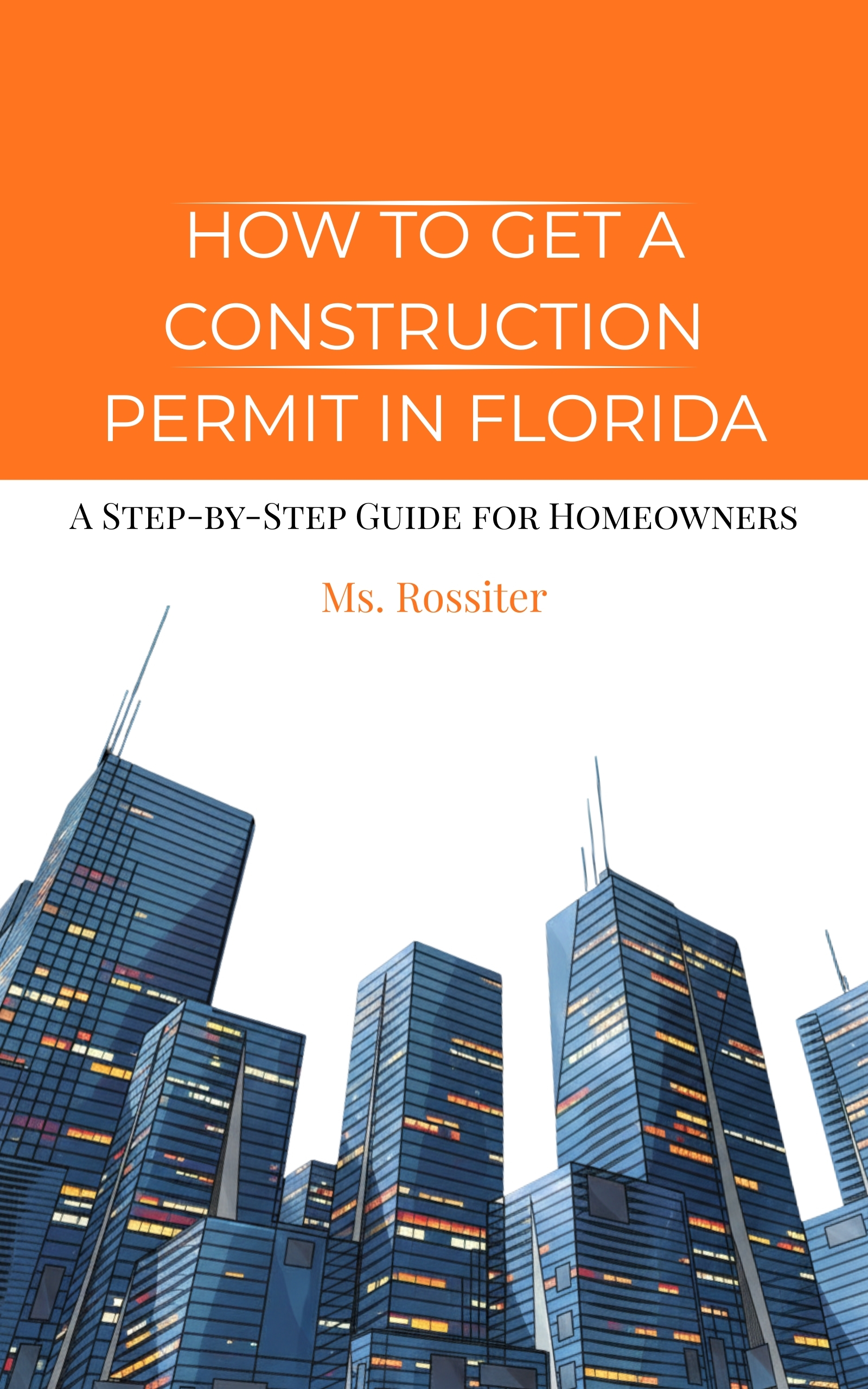
Navigating Florida Permits Doesn’t Have to Be a Nightmare.
Ever looked at a home project and thought: “Do I really need a permit for this?”
If you are a Florida homeowner, the answer is often “Yes,” and the stakes are high. One wrong move can lead to code enforcement fines, halted construction, or issues when you try to sell your home. If you want to avoid delays, rejections, and surprise costs, this guide is your essential roadmap.
Available on Amazon (Kindle and paperback)
Support my work!
I hope this guide helps you with your home project! Since I am a member of the Amazon Influencer Program and the author of this book, I want to be transparent: If you use the link above to buy my guide, I may receive a small commission at no extra cost to you. This helps me continue creating free content for our Florida community. Thank you for your support!
Legal Disclosure: As an Amazon Associate, I earn from qualifying purchases.
MR
Ms. Rossiter
Founder of NextPermit.org. Author of How to Get a Construction Permit in Florida (Amazon).



 NextPermit
Leave a comment