
⚠️ Disclaimer: This article is for informational and educational purposes only and does not constitute legal, professional, engineering, construction, or code-compliance advice. Permit requirements, timelines, fees, procedures, interpretations, and enforcement practices vary by jurisdiction and may change without notice. Always verify current requirements with your local building department and, when appropriate, consult a licensed contractor, architect, engineer, attorney, or other qualified professional before starting any project.
You’re excited about your remodel… new lights, open kitchen, new ceilings… and then suddenly someone drops the words “fire sprinkler system” and everything gets complicated.
This is one of the most surprising topics for Florida homeowners. Here’s everything you need to know, explained clearly and without the technical nonsense.
Why Life Safety Systems Are a Big Deal in Florida
They protect human lives. That’s why cities treat them much more seriously than regular permits.
1. Your Smoke Detector Is NOT a Fire Alarm System
Biggest confusion ever:
- Smoke Detector: Single unit on your ceiling. Usually fine to replace.
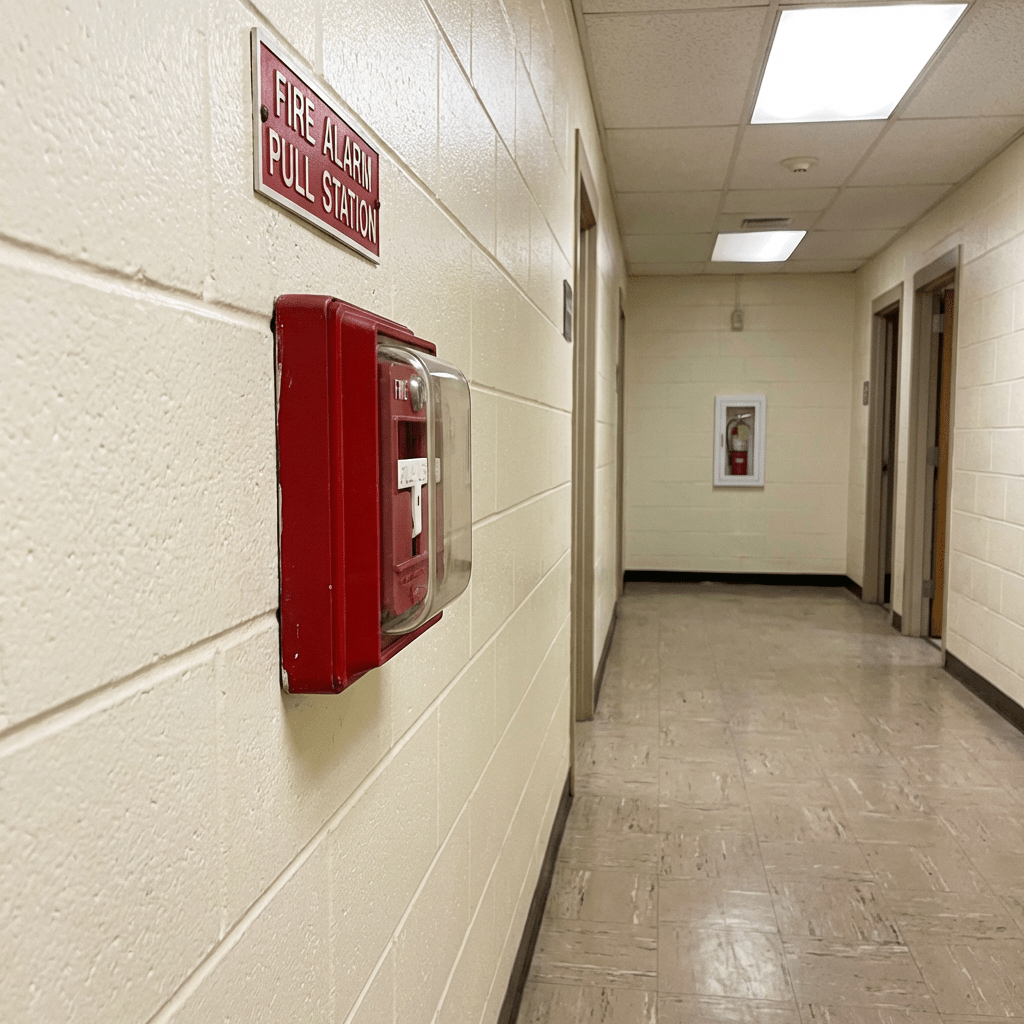
- Fire Alarm System: Full network with control panel, horns, strobes, and direct connection to the fire department.
If your house has a central fire alarm system, any work on it (even moving one device) requires a separate permit and a licensed fire alarm contractor.
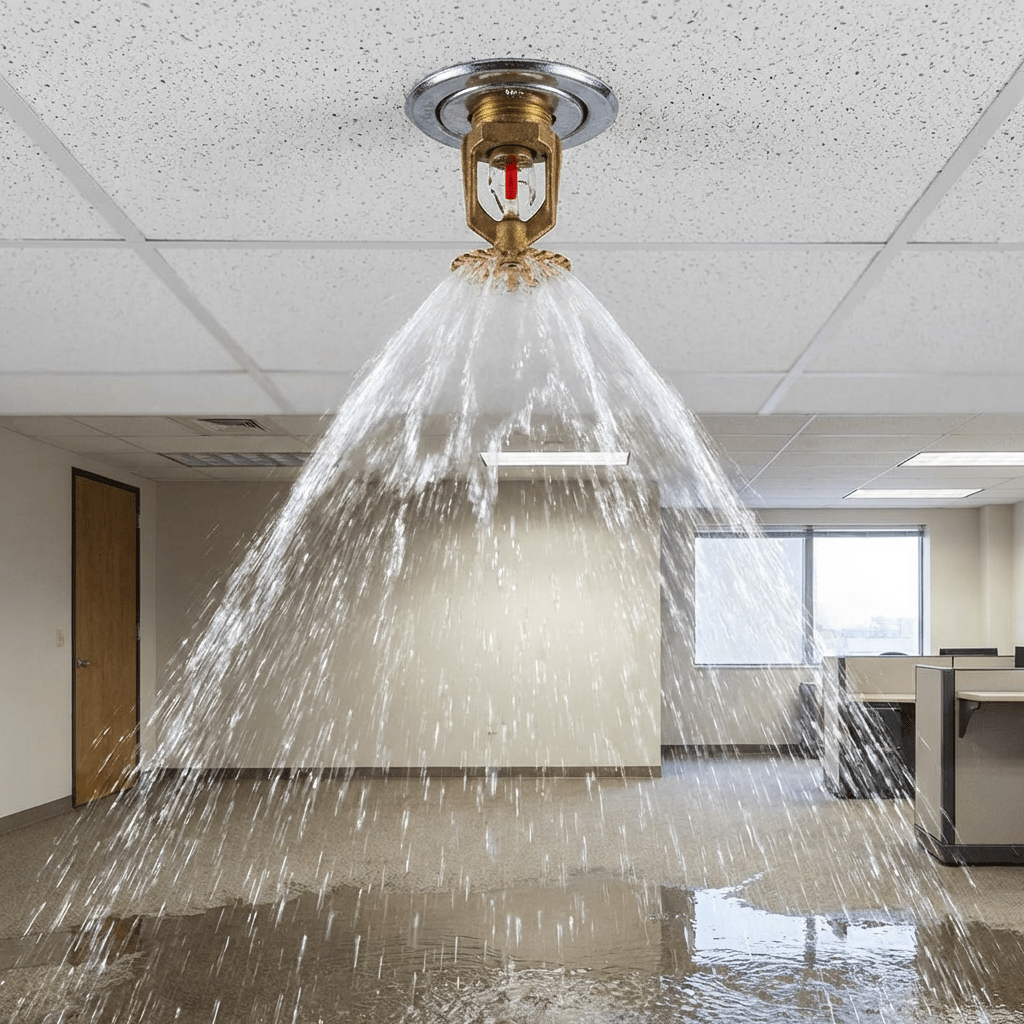
2. Fire Sprinklers Are More Common Than You Think
Many people assume only big buildings have them. Not anymore.
Newer homes, townhouses, and condos in Florida often have sprinkler systems. If you’re opening ceilings or changing layouts, you need to know if you have them.
The nightmare scenario: You remove part of the ceiling, move a sprinkler head, and later the inspector catches it. Now you have to open the freshly painted ceiling again.
How to avoid it: Ask before starting: “Does my house have a fire sprinkler system?”
3. Fire Suppression Systems (The Most Forgotten One)
These use chemicals or gas instead of water. Very common in homes with professional kitchens or range hoods.
If you’re moving a commercial-style hood, this system usually needs its own permit.
The Golden Rule (Save This)
Before any renovation, ask these three questions:
- Does the house have a central fire alarm system (not just smoke detectors)?
- Are there sprinkler heads in the area I’m working on?
- Is there a suppression system in the kitchen?
If the answer to any is yes → you need a licensed specialist and a separate permit.
What Happens If You Do It Without a Permit?
- You may have to tear open walls/ceilings again.
- Insurance complications if something happens.
- Big headaches when selling the house.
Not worth the risk.
Conclusion
Life safety systems are the silent killer of renovation timelines in Florida. Ask the right questions early and save yourself massive stress later.

