If you own a home in Florida, you have probably asked the big question: “Do I really need a permit for this?” Permits can feel like a bureaucratic hurdle, but understanding the difference between a cosmetic update and a technical alteration can save you fines, delays, and headaches when it is time to sell.
The general rule is simple: if your project only changes the appearance, it often does not require a permit. If it affects plumbing, electrical, gas, mechanical, or structural components, the answer changes.
Do I need a permit to replace cabinets or flooring?
Cabinets
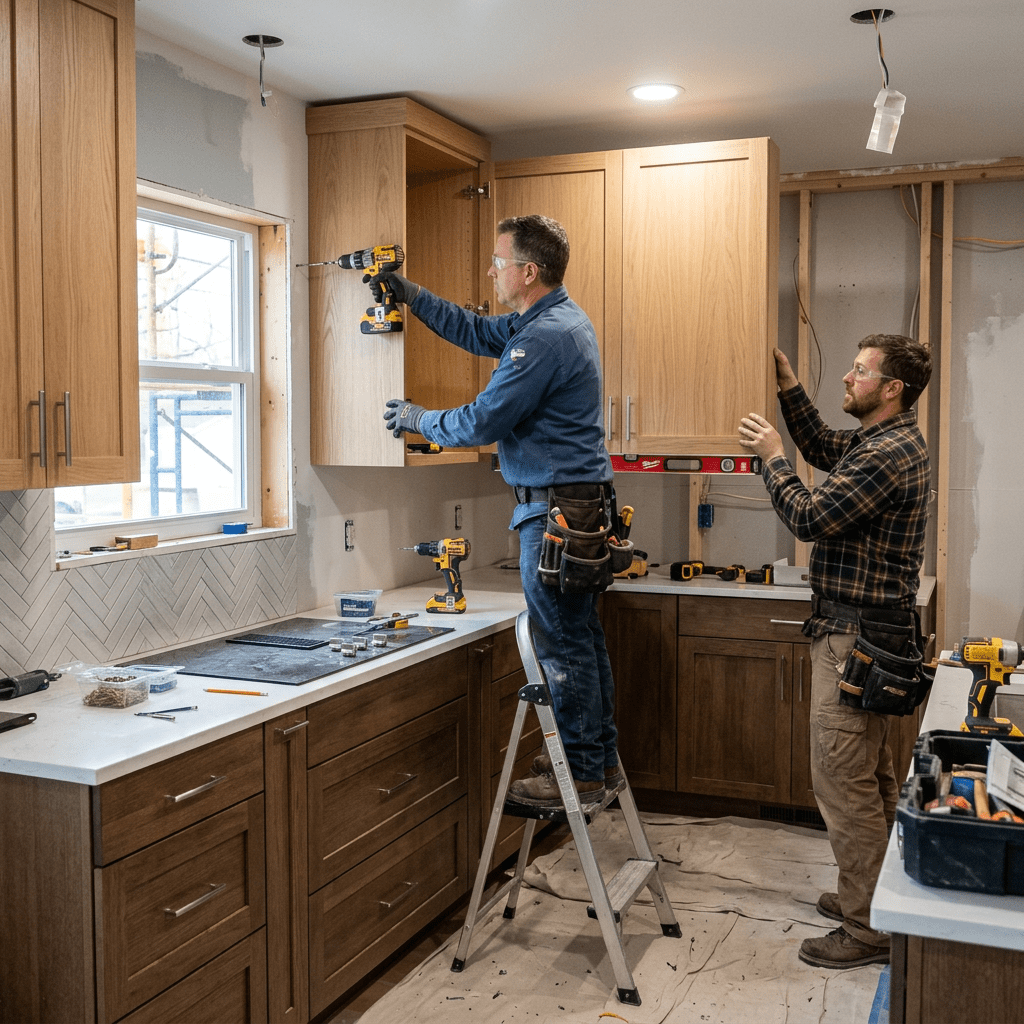
In general, a permit is usually not required if you are doing a direct cabinet replacement in the same layout or a refacing project, such as changing doors, drawer fronts, or visible finishes.
A permit is usually required if you move the sink, alter plumbing, relocate the dishwasher, or change electrical outlets.
Flooring
In most cases, installing tile, carpet, laminate, or wood flooring is considered a surface finish and does not require a permit. That can change if the work affects the subfloor, structure, waterproofing, or special conditions tied to the property.
What about the $7,500 exemption?
As of July 2026, Florida’s HB 803 created a limited exemption for certain smaller residential projects — but it comes with specific conditions that many homeowners miss:
- No prior approval needed for owner-performed work. A homeowner doing the work personally is not required to file anything in advance to use the exemption.
- Contractors must file a notice within 30 days. If a licensed contractor performs the work, the contractor must file a notice of permit exemption with the local building department within 30 days, identifying the contractor, the scope of work, and its value.
- Flood zones are excluded. Properties located in a designated flood hazard area do not qualify for this exemption, regardless of project cost.
- It doesn’t remove other permit triggers. If your cabinet or flooring project touches plumbing, electrical, gas, mechanical, or structural work, those trade-specific requirements still apply and the exemption does not cover them.
- Response timelines are now faster. For permits under $15,000, many jurisdictions must respond within 5 business days under the new law — useful to know if you do end up needing a standard permit instead of the exemption.
Source: Florida Statute 553.79(1)(g), HB 803 · City of Fort Lauderdale, HB 803 Quick Guide
What matters is whether:
- The work qualifies for an exemption.
- It touches electrical, plumbing, gas, mechanical, or structural systems.
- The property is in a flood zone or subject to special restrictions.
- The local government requires any formal notice or declaration.
It is also wise not to split a larger project into smaller phases just to stay under a monetary threshold. That can create compliance issues.
Can HOAs stop my renovation?
HOAs generally do not replace the building department or remove the need to follow code. They may still have their own aesthetic, material, or approval rules, so it is smart to review them before work begins.
In other words: a municipal exemption does not always mean the HOA will approve it.
Before you start
Related guides
Before changing cabinets or flooring, check:
- Whether your project affects plumbing, electrical, or structure.
- Whether your city or county requires a permit for that scope of work.
- Whether there are special rules for your zone, condo, or HOA.
- Whether the project qualifies for a valid exemption, and under what conditions.
⚠️ Disclaimer: This article is published for informational and educational purposes only and does not constitute legal, professional, or technical advice. The information may not reflect recent changes in laws, codes, regulations, or local practices, and may vary by jurisdiction. We do not guarantee that the content is complete, accurate, or up to date. Before starting any project, verify current requirements with your local building department and, where applicable, consult a qualified professional.
Toolkit for Your Home Project
If you are tackling a renovation yourself or supervising a contractor, the right tools can save time and reduce mistakes.
Disclosure: As an Amazon Associate, I earn from qualifying purchases at no extra cost to you. I also earn from the sales of my book.
- Precision Prep: High-accuracy digital tape measure — avoid measurement mistakes from the start.
- Documentation: Heavy-duty project folder & permit keeper — keep plans, receipts, and permits in one place.
- Structural Check: Wall stud finder and moisture meter — useful for checking walls and detecting hidden moisture.
- Essential Reading: How to Get a Construction Permit in Florida — my guide to navigating local offices, understanding codes, and avoiding expensive mistakes.

