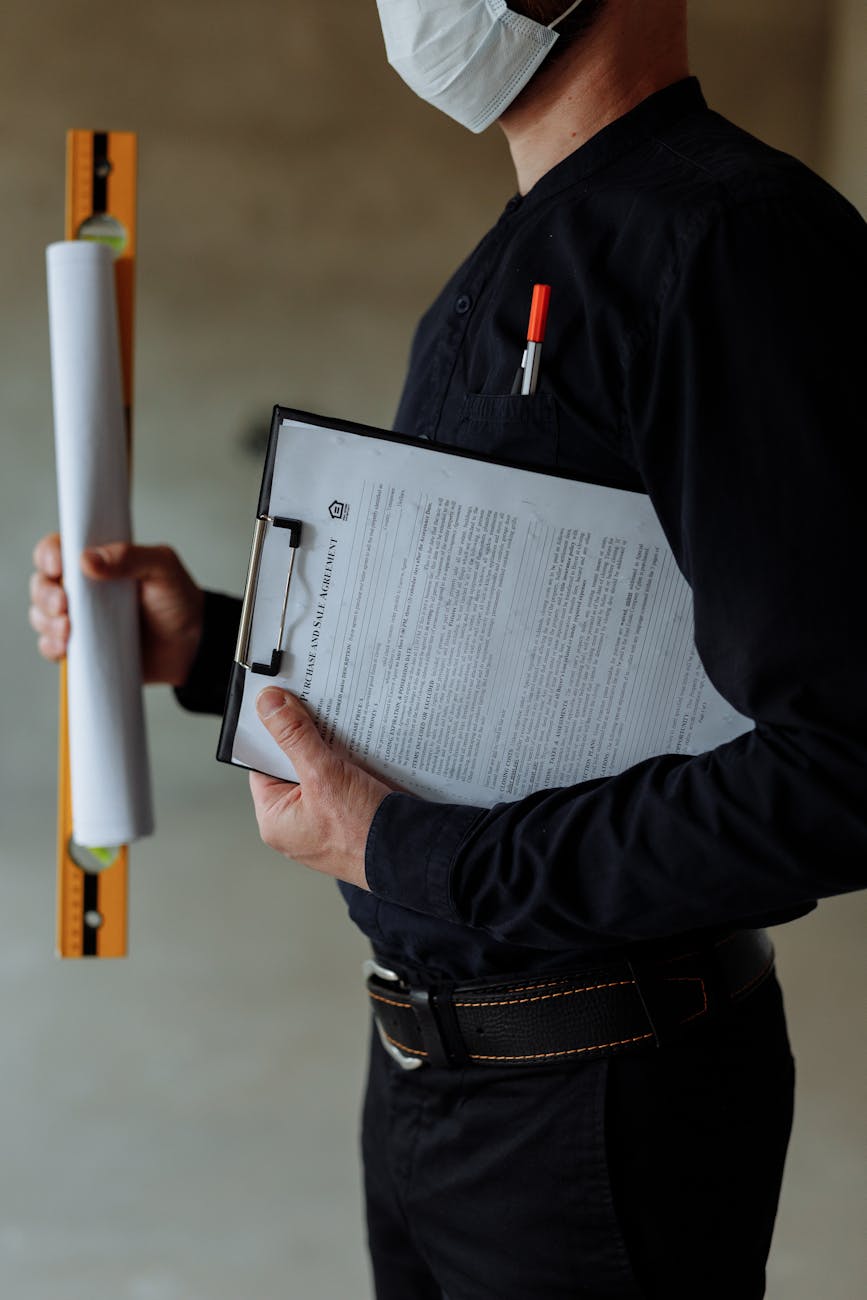
⚠️ Disclaimer: This article is for informational and educational purposes only and does not constitute legal, professional, engineering, construction, or code-compliance advice. Permit requirements, timelines, fees, procedures, interpretations, and enforcement practices vary by jurisdiction and may change without notice. Always verify current requirements with your local building department and, when appropriate, consult a licensed contractor, architect, engineer, attorney, or other qualified professional before starting any project.
By Ms. Rossiter · NextPermit.org · Florida Building Code · Permit Process · How-To
Applying for a construction permit in Florida is not as complicated as most people expect. But it has specific steps — and skipping any one of them is exactly what causes delays, rejection letters, and frustrated contractors sitting idle while you wait for approvals.
The process is also not the same everywhere. Florida has 389+ separate permitting jurisdictions. The steps below reflect what the process looks like across most Florida counties — but the exact forms, portals, and timelines vary by city. This guide tells you what to expect and how to prepare, so you’re not learning by trial and error at the building department counter.
“An incomplete application doesn’t just delay your project. It resets your position in the review queue.”
Step by Step: The Florida Permit Application Process
1
Confirm your project needs a permit
Not everything requires a permit in Florida. Cosmetic work — painting, flooring, replacing cabinets — generally doesn’t. But any work that changes the structure, electrical, plumbing, mechanical, or life safety systems of your home typically does. When in doubt, call your local building department before you assume either way.
2
Identify your exact jurisdiction
This is critical. Your property may be inside a city, in an unincorporated county area, or in a municipality with its own building department. Miami-Dade unincorporated has different rules than the City of Miami. Broward County unincorporated is different from Fort Lauderdale. Find your folio number or property address on your county property appraiser’s website — it will tell you your exact jurisdiction.
3
Determine which type of permit you need
Most jurisdictions offer dozens of permit types, categorized by the scope of the work and the type of construction. Common types include: building permit, electrical permit, mechanical permit, plumbing permit, fire alarm permit, and roofing permit. Some projects require more than one — for example, a room addition may need a building, electrical, and mechanical permit simultaneously.
4
Gather your documents before you apply
Incomplete applications are the number one cause of delays. A complete application typically requires site plans, engineered drawings, proof of ownership, and contractor license and insurance verification. Other commonly required documents include a property survey, product approvals for windows and doors, and a Notice of Commencement — required by Florida state law for most projects valued at $2,500 or more. Miami-Dade sets the threshold at $5,000 for some project types; always verify the exact amount with your local building department.
5
Submit your application — online or in person
Many counties now require digital submissions — not just offer them. You can upload documents, pay initial fees, and track progress without visiting an office. Major counties like Miami-Dade, Broward, and Orange County have online portals. Some cities still accept or require in-person submission for certain project types. Check your local building department’s website first.
6
Wait for plan review
Plan review times in Florida range from 2 to 8 weeks depending on county workload and application completeness. Busy counties during post-hurricane rebuilding seasons can push timelines even further. For Miami-Dade specifically, the initial review for most permits takes between 24 hours and 10 business days, with additional time if corrections are needed.
7
Address any corrections and resubmit
If the plan reviewer sends back comments or a correction letter — called “reworks” in some counties — respond quickly. Delays in responding extend your project timeline and can trigger permit expiration if work stalls too long. Read the correction letter carefully, make exactly the changes requested, and resubmit promptly.
8
Receive your permit and post it on site
Once approved, your permit is issued. Keep it posted visibly at the job site — inspectors need to see it. Construction must begin within the permit’s validity period. Most Florida permits expire if no inspections are completed within 6 months of issuance or 6 months from the last approved inspection.
9
Schedule and pass your inspections
Inspections are required at specific construction milestones — not just at the end. Typical inspection stages include foundation or slab inspection before pouring concrete, framing inspection, rough-in inspections for electrical and plumbing, and final inspection. Most counties allow online inspection scheduling. Schedule as soon as each phase is complete.
10
Close the permit
A permit is only closed when all required inspections have passed and the building department has issued a final sign-off or Certificate of Occupancy. An open permit on your property shows up in public records and can complicate or delay a future sale. Don’t consider the project done until the permit is officially closed.
The Most Common Mistakes That Cause Delays
What slows most applications down
- Submitting without the full set of required documents — one missing item resets your queue position
- Using outdated forms — building departments update their forms regularly
- Not verifying your exact jurisdiction before submitting to the wrong building department
- Failing to record the Notice of Commencement before the first inspection when required
- Not responding to correction letters promptly — delays compound quickly
- Starting work before the permit is issued — this can result in stop-work orders and doubled fees
📘 Get the full guide
How to Get a Construction Permit in Florida
The complete step-by-step guide for homeowners. Covers every stage of the process. From identifying your jurisdiction and gathering documents to navigating online portals, handling inspections, and closing your permit. Written in plain English, no contractor jargon.
Written for homeowners & Permit Coordinators

