⚠️ Disclaimer: This article is for informational and educational purposes only and does not constitute legal, professional, engineering, construction, or code-compliance advice. Permit requirements, timelines, fees, procedures, interpretations, and enforcement practices vary by jurisdiction and may change without notice. Always verify current requirements with your local building department and, when appropriate, consult a licensed contractor, architect, engineer, attorney, or other qualified professional before starting any project.
Fixing work done without a permit is a common process in Florida, but the outcome is not guaranteed. Depending on the work and your city, the department may approve it, require changes, or require part of it to be removed. Miami-Dade’s sample violation notice, for example, tells owners to obtain permits “to legalize or remove” the work. The process is commonly known as obtaining an after-the-fact permit, an as-built permit, or a retroactive permit.
Quick guide: where to start
- Do I need a permit? First confirm whether a required permit was missing or an existing permit is open or expired.
- Who do I contact? Your jurisdiction: the city or county responsible for your address.
- What should I prepare? Permit records, a description of the work, and its approximate date. Ask which plans and documents to submit.
- How do I know I am done? Confirm permit closeout and, if applicable, resolution of the violation case and its charges.
First, check whether there was a permit. If one exists but expired, ask whether you can finish its remaining requirements and close it without a new permit. The department must decide whether enough of the permit requirements have already been completed to use that option. Florida’s expired-permit closeout rules also allow the code in effect when the original application was received to be used for that closeout, subject to the law’s conditions. If there was never a permit, ask which application and code apply. Do not assume the permit closes automatically.
1. Document what was done
Write down what you know about the work and its approximate date. If details are missing, the department can help you check the records.
- Make a list: for example, “bathroom addition built around 2018” or “electrical panel replaced in 2021”.
- If you are unsure what permits exist, you can request the permit history of your property from your local building department.
2. Contact the building department
Contact your jurisdiction (the responsible city or county) to confirm who handles permits for your address and which steps to follow.
- Ask whether a current amnesty program or simplified procedure covers your case. Do not assume it removes fines or requirements.
- Confirm whether the property is within a city or an unincorporated county area. Some county reviews may also apply inside a city.
- Ask about violation notices, deadlines, fines, or outstanding liens. If you received a notice, follow its instructions and confirm any extension in writing.
3. Choose who will handle the permit and work
Identify early who may obtain the permit and perform corrections. For electrical, plumbing, structural, and fire-protection work, confirm the license or exemption that applies to the work.
- Unless an applicable exemption applies, work involving electricity, plumbing, structural changes, or life safety systems (such as fire alarms or sprinklers) will generally require a licensed contractor.
- Florida has no “handyman license.” The licensing exemption for casual, minor work applies to contracts totaling less than $2,500, including labor, materials, and other charges (Florida’s minor-work licensing exemption), and state rules say work that needs a building permit does not count as minor (Florida’s definition of minor work). Since you are applying for a permit, that exemption generally won’t cover your project.
- You may qualify as an owner-builder: the homeowner who takes responsibility for the permit and the work. This option has supervision requirements and responsibilities if you employ workers; it does not let you hire an unlicensed person to act as your contractor. Check Florida’s owner-builder rules and our guide to pulling your own permit before deciding.
- Choose a contractor with specific experience in after-the-fact permits, as they know how to navigate these regularizations.
4. Submit the application and complete inspections
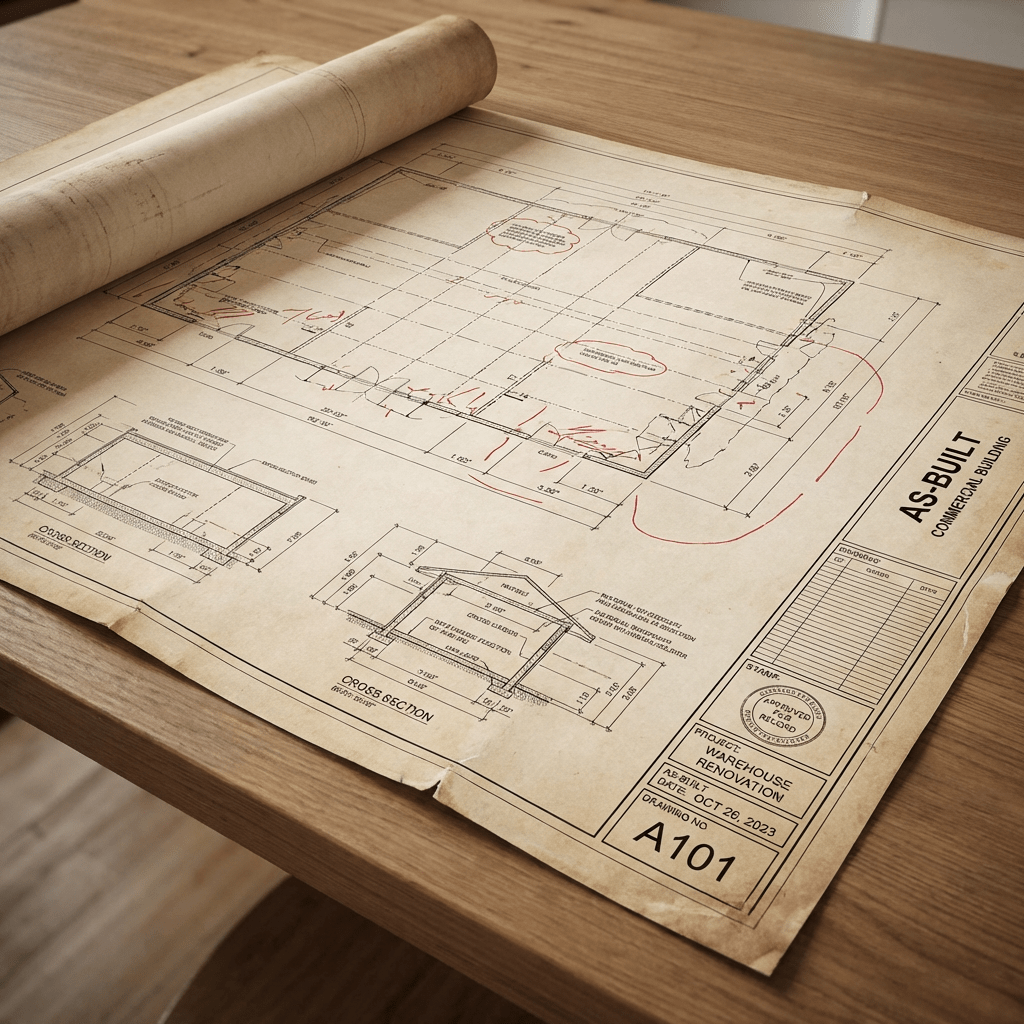
Before requesting an inspection, confirm what to submit. You may need an application, drawings showing what was actually built (as-built plans), supporting documents, and zoning or other agency reviews. Depending on the project, drawings may need an architect’s or engineer’s signature and seal. Miami-Dade explains its process as a local example. Address review comments, resubmit corrections, and confirm permit issuance before starting corrective work that requires it. Then arrange the required inspections. Ask which code edition applies.
- Opening walls: Prepare for the possibility of having to open sections of walls, ceilings, or floors so the inspector can see hidden work, such as wiring or pipes.
- Required corrections: If the work does not meet the applicable code, you will need to correct it before the permit can be closed. In some cases, the department may require part of the work to be removed.
5. Confirm closeout and save your records
A permit closes when all its requirements are satisfied. Ask the department to confirm that no inspections, documents, payments, or related permits remain outstanding. One passed inspection alone does not show that the entire process is finished.
- Request written confirmation of closeout or save the permit’s final portal status after the department confirms what that status means.
- If there is a Code Enforcement case, also confirm its resolution and any outstanding fines or liens. Permit closeout does not automatically release a lien (Florida’s fine and lien rules).
- Keep approved plans, inspection results, and closeout records for future questions, sales, or other transactions.
Costs: Ask separately about application and review fees, possible surcharges, fines, and the cost of plans or repairs. There is no single statewide surcharge. Miami-Dade, for example, publishes an additional charge of 100% of the usual permit fee when a violation notice has been issued for work without a permit. Confirm the charges for your case.
🙏 A quick thank you: Special thanks to Mufy, founder of PassContractorExam, for reading this guide so carefully and helping me improve the contractor guidance. If you want to dig deeper into what Florida allows without a contractor license, his explainer is a great next read: Florida Handyman Requirements.

