⚠️ Disclaimer: This article is for informational and educational purposes only and does not constitute legal, professional, engineering, construction, or code-compliance advice. Permit requirements, timelines, fees, procedures, interpretations, and enforcement practices vary by jurisdiction and may change without notice. Always verify current requirements with your local building department and, when appropriate, consult a licensed contractor, architect, engineer, attorney, or other qualified professional before starting any project.
If you have ever stood in your kitchen looking at an outdated water heater and thought, “Do I need a permit for this?”, you are not alone. It is one of the most common questions Florida homeowners ask. And the answer is almost always: it depends on what systems are being touched, not how big the project looks.
This guide breaks it down simply, so you can move forward with confidence.
What Is a Construction Permit, Really?
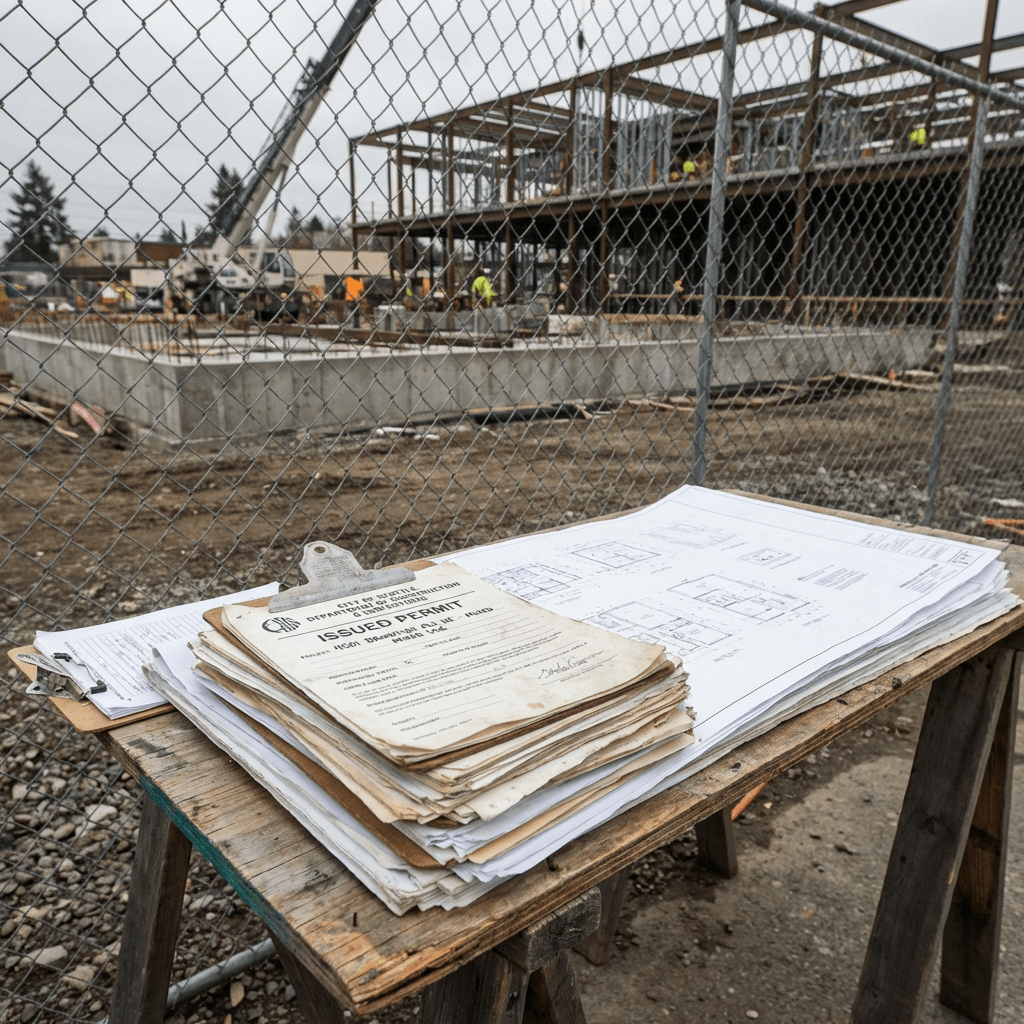
A construction permit is official permission from your city or county to perform work legally on your property. It is not a fine or a warning. Think of it as a green light from your local government confirming that your project meets safety standards. In a state like Florida, where hurricanes and coastal conditions are a reality, following the Florida Building Code is essential for your safety and property value.
💡 Reader Tip: If you want to avoid costly delays and navigate your city’s online portal like a pro, I invite you to read my book: [How to Get a Construction Permit in Florida: A Step-by-Step Guide for Homeowners]. In it, I provide real-world screenshots so you never get lost in the bureaucracy.
The Rule Most Homeowners Get Wrong
Most people assume permits are only for big projects — additions, demolitions, or full renovations. In reality, the key is not the size of the project; it is which systems are being touched.
Systems That Almost Always Require a Permit:
- Electrical Work: From upgrading panels to adding new circuits or lighting.
- Plumbing: Water heaters, supply lines, drainage, tubs, and gas lines.
- Mechanical (A/C): Air conditioning units, heating, ventilation, and ductwork.
- Structural Changes: Moving walls or cutting openings for new doors and windows.
- Fire & Life Safety: Smoke detectors connected to a system, alarms, and sprinklers.

Projects That Often Surprise Florida Homeowners
Two projects consistently catch homeowners off guard because of Florida’s strict regulations:
- Pools: Whether in-ground or above-ground, these involve major electrical, plumbing, and safety barrier requirements.
- Fences: These affect property lines and safety access. Even replacing an existing fence often requires a permit.
What Does NOT Usually Require a Permit?
- Interior painting.
- Replacing flooring (tile, hardwood, carpet) with no structural changes.
- Replacing cabinet hardware or countertops (without moving plumbing).
- Basic landscaping without drainage changes.
Why “Unpermitted Work” Is a Risk to Your Future
Permits stay tied to the property long after the work is done. Unpermitted work can surface years later during a home sale, a refinancing, or an insurance claim. Skipping a permit to save time almost always creates bigger, more expensive problems later.
📖 Don’t Gamble with Your Property! I have created a complete roadmap so you can take control of your project. In my book, “How to Get a Construction Permit in Florida,” you will learn how to talk to contractors and city officials with confidence. [Click here to see the book on Amazon]
Support my work! 🏠
I hope this guide helps you with your home project! Since I am a member of the Amazon Influencer Program and the author of this book, I want to be transparent: If you use the link above to buy my guide, I may receive a small commission at no extra cost to you. This helps me continue creating free content for our Florida community. Thank you for your support!
Legal Disclosure: As an Amazon Associate, I earn from qualifying purchases.
Conclusion: The Fastest Way to Get an Answer
The fastest answer comes from one place: your local building department. However, if you want to go prepared and know exactly which documents they will ask for before you even walk in, my step-by-step guide is your best ally.

